
Commercial Roof Replacement: What Business Owners Usually Don’t Expect
It Usually Starts With a Small Problem
Most business owners don’t plan for a commercial roof replacement ahead of time.
It usually begins with something minor. A leak after a storm. A stain on the ceiling. Maybe maintenance teams patch the same spot more than once. At first, it didn’t seem like a big deal.
But over time, those small issues start stacking up.
And that’s when the question changes from “Can we fix this?” to “Is it time to replace the whole thing?”
Why Commercial Roofs Wear Out Differently
Commercial roofs deal with a different kind of stress compared to residential ones.
They’re often flat or low-sloped, which means water doesn’t run off as quickly. Instead, it sits longer, especially after heavy rain. Add in heat from the sun, cold weather, and general wear over time, and materials begin to break down.
You might start noticing:
- pooling water that doesn’t drain
- cracks or bubbles in the surface
- repeated leaks in different areas
- sections that feel soft when walked on
None of these mean the building is in danger right away, but they are signs the roof isn’t performing the way it should anymore.
Repair vs Replacement, Where the Line Is
This is where most business owners hesitate.
Repairs feel easier. Less cost upfront. Less disruption.
And sometimes repairs are enough.
But when leaks keep coming back or when large areas show wear, repairs turn into a cycle. Fix one spot, another shows up later.
That’s usually when a commercial roof replacement becomes the more practical option.
It’s not just about fixing today’s problem. It’s about avoiding repeated issues over the next few years.
What Actually Happens During Commercial Roof Replacement
The process isn’t as chaotic as people imagine, but it does take planning.
First, the existing roof is inspected carefully. Not just the surface, but also what’s underneath. This helps determine how much of the structure needs attention.
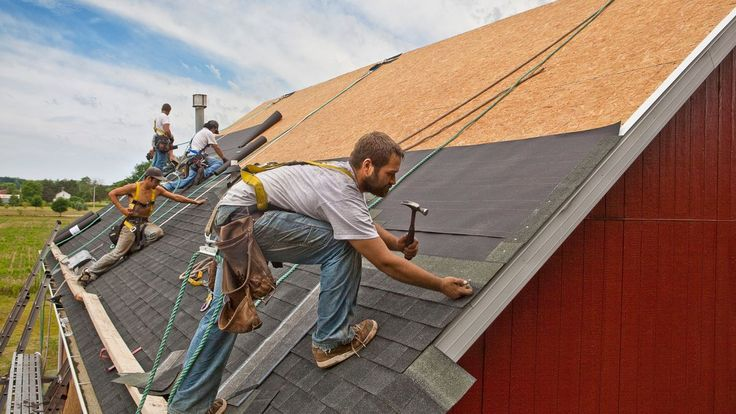
Then the old roofing system is removed, either fully or in sections depending on the building and project scope.
Once that’s done, the base is prepared. If any areas of the deck are damaged, they’re repaired or replaced.
After that, new layers are installed. Insulation, protective membranes, and finally the roofing system itself.
Every layer has a purpose, even if it’s not visible later.
Materials Used in Commercial Roof Replacement
There isn’t just one type of commercial roof.
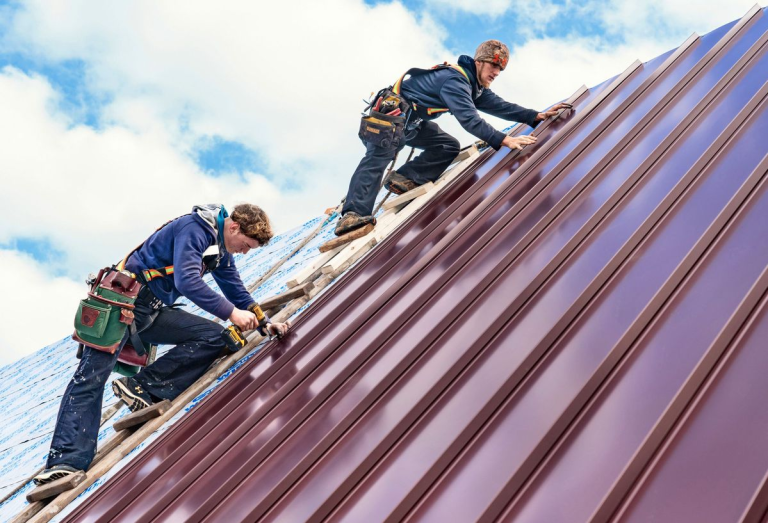
Some buildings use TPO, which reflects sunlight and helps with temperature control. Others use EPDM rubber roofing, known for its flexibility and durability. Metal roofing is also used in certain cases, especially where long lifespan is a priority.
The choice depends on the building, budget, and long-term goals.
There’s no universal “best” option, just what fits the situation.
Will It Disrupt Business Operations?
This is one of the biggest concerns.
In most cases, businesses can continue operating during the project. Work is often planned in sections so the building stays functional.
There may be some noise or limited access in certain areas for short periods, but experienced crews work around business needs as much as possible.
Planning ahead makes a big difference here
How Precision Roofing & Exterior Handles Commercial Roof Replacement
At Precision Roofing & Exterior, the approach is straightforward.
Start with a proper inspection.
Explain what’s actually happening.
Lay out realistic options.
No guessing.
Once the project begins, the focus is on doing the work correctly, not rushing through it.
That includes:
- proper installation of materials
- careful sealing around edges and equipment
- making sure drainage works the way it should
Because with commercial roofing, small mistakes can turn into bigger issues quickly.
The Part Business Owners Notice After
Once the commercial roof replacement is complete, something shifts.
You’re not thinking about the roof anymore.
No more worrying when it rains.
No more maintenance calls about the same issue.
It just does its job.
And for most business owners, that’s exactly what they want.
Final Thoughts
A commercial roof doesn’t usually get attention until something goes wrong. But once problems start repeating, it’s worth looking at the bigger picture.
Replacing the roof may feel like a big step, but it often saves time, stress, and ongoing repair costs.
If your building has been dealing with recurring issues, it might be time to consider whether repairs are still enough, or if a full commercial roof replacement makes more sense.
FAQs
How do I know if I need a commercial roof replacement?
If you’re dealing with repeated leaks, pooling water, or widespread wear, replacement may be the better long-term solution.
How long does commercial roof replacement take?
It depends on the size and complexity of the building, but many projects are completed within a few days to a couple of weeks.
Can business operations continue during replacement?
In most cases, yes. Work is often scheduled in phases to minimize disruption.
What materials are used for commercial roofs?
Common options include TPO, EPDM, and metal roofing systems.
Does Precision Roofing & Exterior handle commercial projects?
Yes. Precision Roofing & Exterior provides commercial roof replacement with a focus on durability and proper installation.