
Roof Installation: What It Actually Feels Like Getting It Done
So Here’s How It Usually Starts
Most people don’t wake up thinking, “Today is a good day for roof installation.”
It usually starts the other way around.
A small issue shows up. Maybe a leak. Maybe shingles don’t look right anymore. Sometimes nothing dramatic, just a feeling that the roof isn’t holding up the way it used to.
And then it sits in the back of your mind for a while.
Until it doesn’t.
The First Step Isn’t Installation
Before anything gets installed, someone needs to look at what’s already there.
This part matters more than most people expect.
Sometimes the roof still has some life left and only needs repairs. Other times, it’s clearly time to replace it.
You might notice:
- repeated leaks
- worn or missing shingles
- uneven areas
Putting a new roof on top of a weak base never ends well.
Then Comes the Messy Part
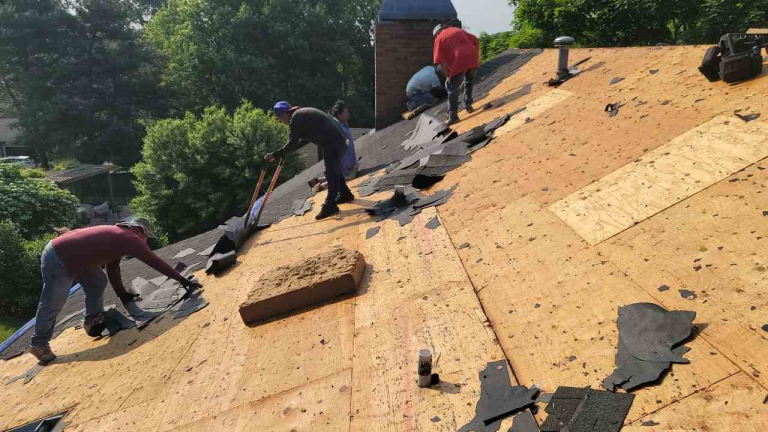
Once you decide to move forward, the old roof has to come off.
There’s no clean way around it. It gets noisy, and for a short time, things look a bit chaotic.
Shingles are removed. Nails come out. Everything is stripped down to the wood underneath.
This is where the real condition of the roof shows up.
What’s Underneath Matters More Than You Think
After everything is exposed, the decking gets checked.
If it’s solid, you move on.
If it’s damaged, it gets replaced.
This is one of those steps homeowners don’t see once the job is finished, but it plays a big role in how long the new roof lasts.
Skipping it almost always leads to problems later.
The Layers You Don’t Notice
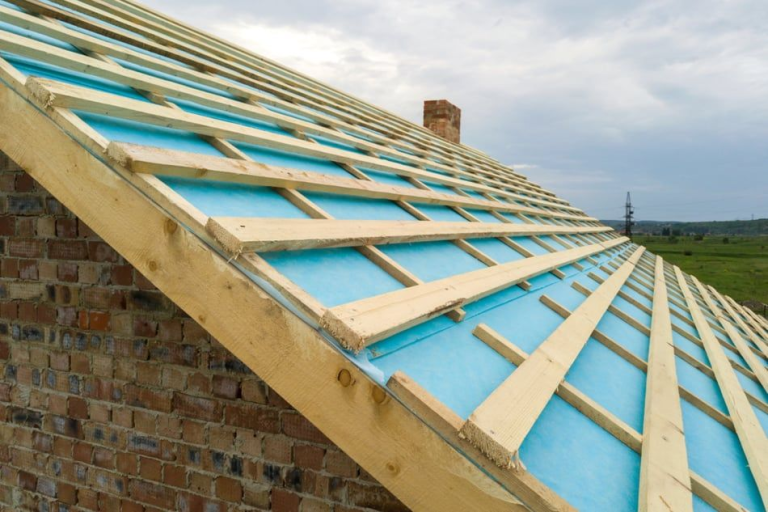
Before the new roof goes on, a protective layer is added.
It’s called underlayment.
Not something you’ll ever see again once the job is done, but it helps block moisture and adds an extra level of protection.
Then comes flashing.
This goes around chimneys, vents, and edges, places where water is most likely to get in.
If something goes wrong in a roof installation, it usually happens in these areas.
Now the Actual Roof Installation
This is the part people picture.
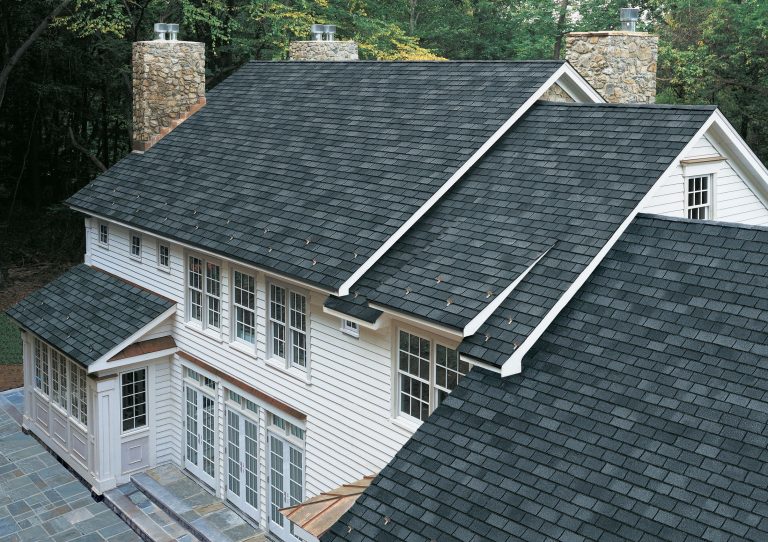
Shingles or panels are placed carefully, row by row.
From the ground, it looks simple. Up close, it’s about alignment and placement.
Everything has to sit correctly so water flows off the roof instead of getting trapped.
When it’s done right, it looks clean and works without any issues.
How Long Does It Take?
Most roof installations are completed within one to three days.
Larger or more complex roofs may take a little longer, but in general, the process moves faster than most homeowners expect.
What People Notice After It’s Done
Here’s something interesting.
After the roof installation is finished, people stop thinking about their roof.
No checking during storms.
No worrying about leaks.
It just does its job quietly.
And that’s really the goal.
How Precision Roofing Handles It
At Precision Roofing, the approach is straightforward.
Start with a proper inspection.
Understand what’s actually needed.
Focus on doing the job correctly.
The small details matter, alignment, sealing, and making sure everything is secured properly.
Because once it’s done, the roof shouldn’t be something you have to think about again anytime soon.
Is It Worth It?
If the roof is failing, yes.
Waiting usually leads to bigger issues.
Roof installation may not be exciting, but it’s one of the most important things you can do to protect your home.
FAQs
How do I know if I need roof installation?
Signs include leaks, visible damage, or an aging roof nearing the end of its lifespan.
How long does roof installation take?
Most homes are completed within one to three days.
Can a new roof be installed over an old one?
Sometimes, but removing the old roof usually provides better long-term results.
What materials are used in roof installation?
Common options include asphalt shingles, metal roofing, and tile.
Does Precision Roofing provide roof installation services?
Yes. Precision Roofing offers roof installation with a focus on durability and proper installation.